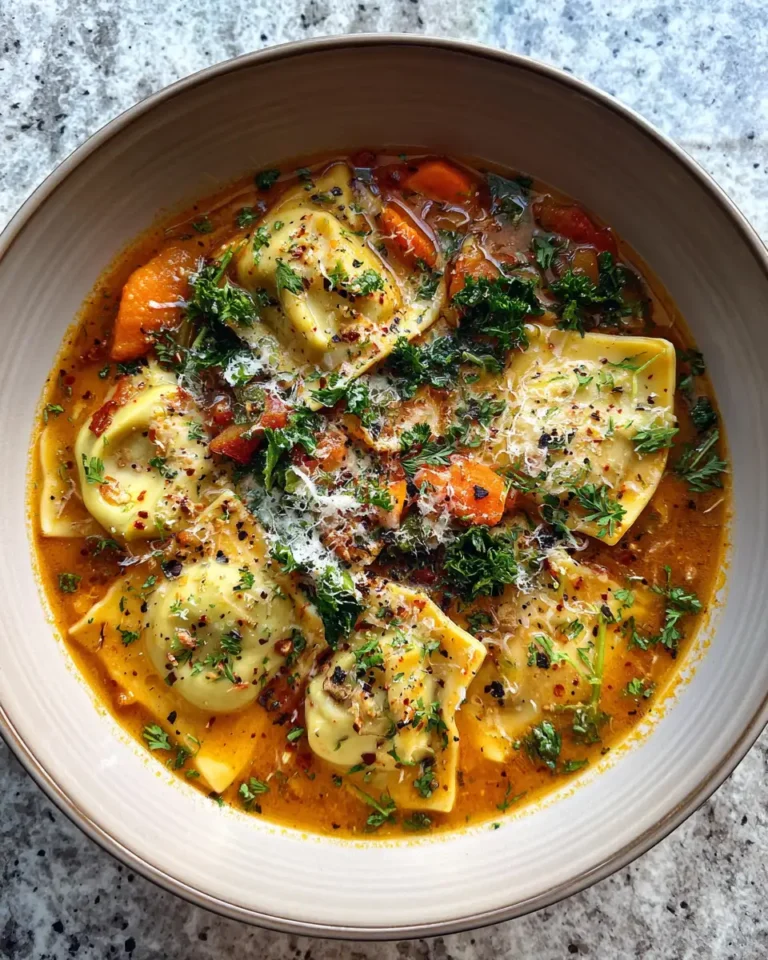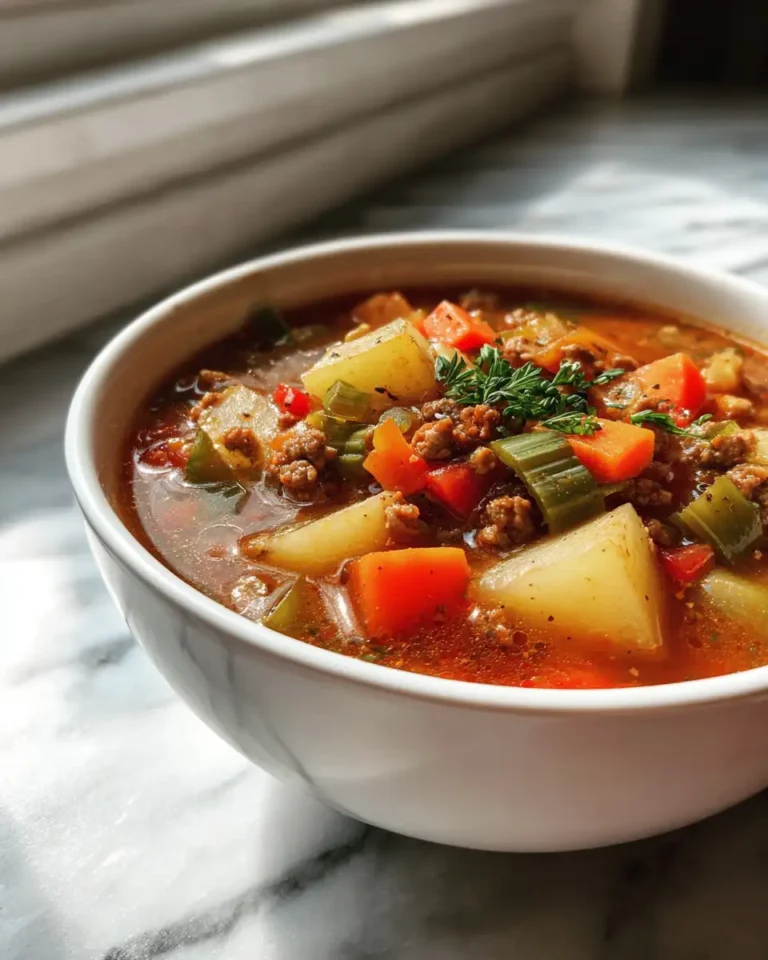

There’s something truly magical about a bowl of roasted butternut squash soup that instantly transports me back to my grandmother Nonna Rosa’s cozy kitchen in Monterey. The aroma of garlic mingling with sweet, caramelized squash roasting in the oven always felt like a warm hug on a chilly evening. This Roasted Butternut Squash Soup recipe is one I’ve perfected over the years, blending rustic family traditions with the fresh flavors I discovered wandering through Italian and Spanish markets. It’s a dish that’s as comforting as it is vibrant—a reminder that the simplest ingredients, treated with care, can become something truly special.
Table of Contents
Why You’ll Love This Roasted Butternut Squash Soup
This Roasted Butternut Squash Soup is a celebration of cozy, home-cooked goodness. What makes it stand out is the deep, natural sweetness that comes from roasting the squash first, turning it golden and caramelized. This step transforms the soup, giving it a richness and depth that no quick boil can match. Growing up, my Nonna Rosa always said, “Good things take time,” and this soup is proof of that philosophy.
Beyond flavor, it’s incredibly versatile and approachable. Whether you’re a busy parent like me, juggling dinner with two little girls eager to stir the pot, or a novice cook wanting a reliable, comforting meal, this soup fits the bill. Plus, it’s naturally gluten-free and can easily be made vegan, making it a crowd-pleaser for various dietary needs. The velvety texture, the fragrant hint of sage, and the subtle warmth from a touch of nutmeg make each spoonful feel like a little act of love.
When I first started cooking this after returning from Italy, I was inspired by the simple but bold flavors I found there—roasted vegetables, fresh herbs, and the idea that a soup should tell a story. This recipe is my way of sharing that story, one bowl at a time.
Ingredients You’ll Need for This Roasted Butternut Squash Soup
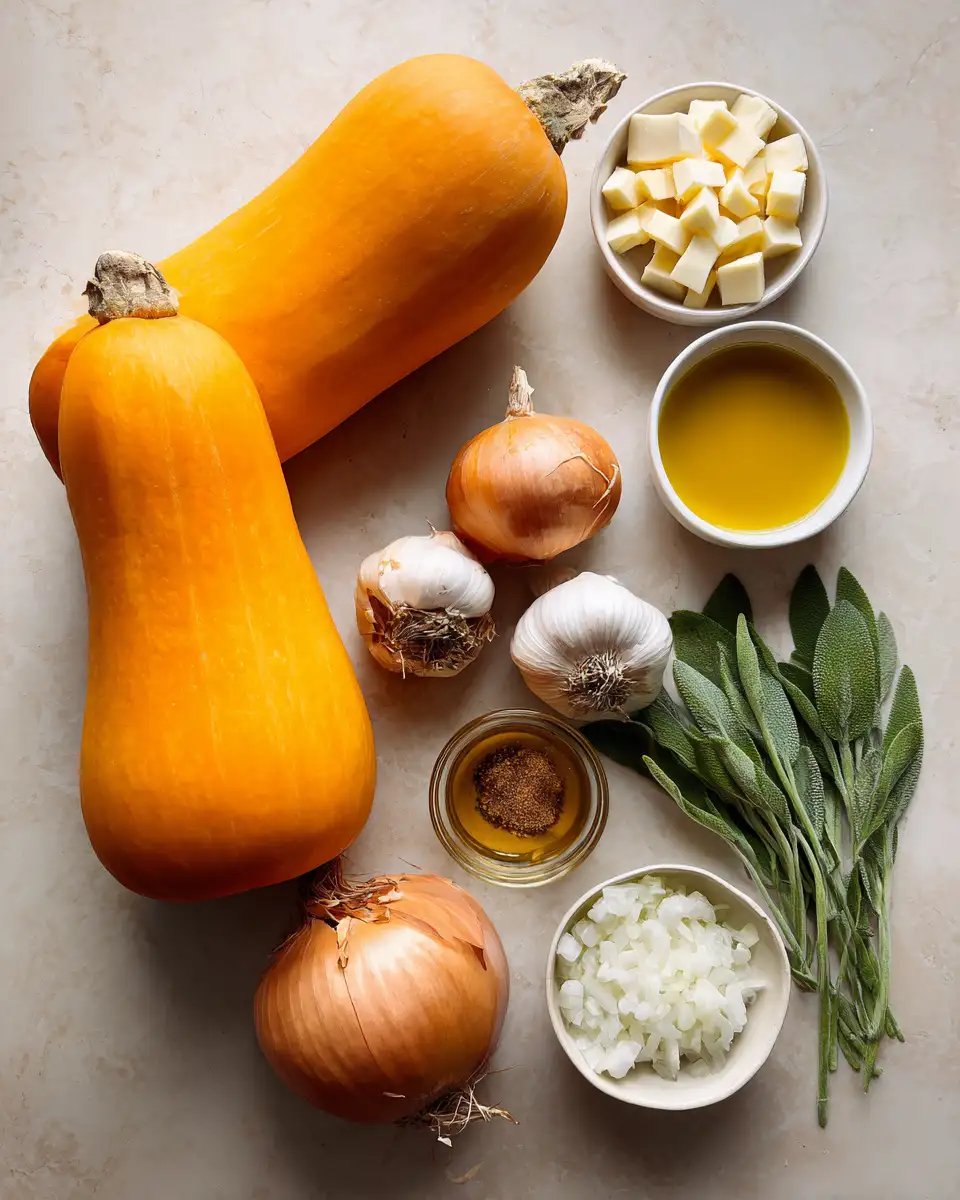
- 1 large butternut squash (about 3 pounds), peeled, seeded, and cubed
- 2 tablespoons extra virgin olive oil, plus more for roasting
- 1 medium yellow onion, chopped
- 3 cloves garlic, minced
- 4 cups low-sodium vegetable broth (or chicken broth for non-vegetarian option)
- 1 teaspoon fresh sage, finely chopped (or ½ teaspoon dried sage)
- ½ teaspoon ground nutmeg
- Salt and freshly ground black pepper, to taste
- ½ cup unsweetened coconut milk or heavy cream (optional, for creaminess)
- Fresh parsley or sage leaves for garnish
Substitution tip: If you don’t have butternut squash on hand, kabocha or acorn squash can work beautifully, though the flavor will be slightly different. And if fresh sage isn’t in your garden or pantry, dried works just fine—just use less as it’s more concentrated.
Nutrition Facts
- Calories: Approximately 180 per serving (1.5 cups)
- Protein: 3g
- Fat: 7g (mostly from olive oil and optional cream)
- Carbohydrates: 27g
- Fiber: 5g
- Sugar: 6g (natural sugars from squash)
- Sodium: 320mg (can be reduced with low-sodium broth)
This soup offers a gentle balance of nutrients and is a wonderful source of fiber and vitamins A and C thanks to the butternut squash. It’s nourishing and light enough for a starter but hearty enough to stand alone on a cool evening. Learn more: Ultimate Taco Soup Recipe That Will Warm Your Soul
Print
Creamy Comfort in a Bowl Roasted Butternut Squash Soup Recipe
Learn how to make delicious Roasted Butternut Squash Soup. Easy recipe with step-by-step instructions.
- Total Time: 45 minutes
- Yield: 4 servings 1x
Ingredients
- 1 large butternut squash (about 3 pounds), peeled, seeded, and cubed
- 2 tablespoons extra virgin olive oil, plus more for roasting
- 1 medium yellow onion, chopped
- 3 cloves garlic, minced
- 4 cups low-sodium vegetable broth (or chicken broth for non-vegetarian option)
- 1 teaspoon fresh sage, finely chopped (or ½ teaspoon dried sage)
- ½ teaspoon ground nutmeg
- Salt and freshly ground black pepper, to taste
- ½ cup unsweetened coconut milk or heavy cream (optional, for creaminess)
- Fresh parsley or sage leaves for garnish
Substitution tip: If you don’t have butternut squash on hand, kabocha or acorn squash can work beautifully, though the flavor will be slightly different. And if fresh sage isn’t in your garden or pantry, dried works just fine—just use less as it’s more concentrated.
Instructions
- Preheat your oven to 400°F (200°C). Line a baking sheet with parchment paper for easy cleanup.
- Place the cubed butternut squash on the baking sheet. Drizzle with 1 tablespoon of olive oil and sprinkle with a pinch of salt and pepper. Toss to coat evenly.
- Roast the squash in the preheated oven for about 30-35 minutes, turning halfway through. You want the edges to be golden and caramelized, which brings out that signature sweetness.
- While the squash roasts, heat the remaining 1 tablespoon of olive oil in a large pot over medium heat. Add the chopped onion and sauté until translucent and soft, about 7 minutes. This step builds the soup’s base flavor, much like the slow simmering of my grandmother’s marinara sauce.
- Add the minced garlic and cook for another 1-2 minutes until fragrant, being careful not to burn it.
- Once the squash is roasted, add it to the pot along with the vegetable broth, fresh sage, and nutmeg. Stir to combine.
- Bring the mixture to a gentle boil, then reduce the heat and let it simmer uncovered for 15 minutes. This melds the flavors together.
- Remove the pot from heat. Using an immersion blender, puree the soup until smooth and creamy. If you don’t have an immersion blender, carefully transfer the soup in batches to a blender. I remember my first blender mishap—soup overflowing everywhere!—so take your time.
- Return the soup to the pot. Stir in the coconut milk or cream if using, and adjust salt and pepper to taste. Warm it gently for a few more minutes without boiling.
“The secret to a truly comforting soup,” my Nonna Rosa always said, “is patience and a pinch of love.” Roasting your squash slowly brings out that love in every spoonful.
- Prep Time: 15 minutes
- Cook Time: 30 minutes
- Category: Main Dish
- Method: Cooking
- Cuisine: International
Steps to Create Your Roasted Butternut Squash Soup
- Preheat your oven to 400°F (200°C). Line a baking sheet with parchment paper for easy cleanup.
- Place the cubed butternut squash on the baking sheet. Drizzle with 1 tablespoon of olive oil and sprinkle with a pinch of salt and pepper. Toss to coat evenly.
- Roast the squash in the preheated oven for about 30-35 minutes, turning halfway through. You want the edges to be golden and caramelized, which brings out that signature sweetness.
- While the squash roasts, heat the remaining 1 tablespoon of olive oil in a large pot over medium heat. Add the chopped onion and sauté until translucent and soft, about 7 minutes. This step builds the soup’s base flavor, much like the slow simmering of my grandmother’s marinara sauce.
- Add the minced garlic and cook for another 1-2 minutes until fragrant, being careful not to burn it.
- Once the squash is roasted, add it to the pot along with the vegetable broth, fresh sage, and nutmeg. Stir to combine.
- Bring the mixture to a gentle boil, then reduce the heat and let it simmer uncovered for 15 minutes. This melds the flavors together.
- Remove the pot from heat. Using an immersion blender, puree the soup until smooth and creamy. If you don’t have an immersion blender, carefully transfer the soup in batches to a blender. I remember my first blender mishap—soup overflowing everywhere!—so take your time.
- Return the soup to the pot. Stir in the coconut milk or cream if using, and adjust salt and pepper to taste. Warm it gently for a few more minutes without boiling.
“The secret to a truly comforting soup,” my Nonna Rosa always said, “is patience and a pinch of love.” Roasting your squash slowly brings out that love in every spoonful.
Tips for Making the Best Roasted Butternut Squash Soup
Over the years, I’ve learned a few tricks that make this soup truly sing:
- Don’t skip roasting: It’s tempting to boil squash for speed, but roasting amplifies the flavor and adds a lovely caramelized note.
- Use fresh herbs when possible: Fresh sage adds a bright earthiness that dried herbs can’t quite match. If you have a garden like Nonna Rosa’s, even better!
- Adjust thickness to your liking: For a thicker soup, use less broth; for a lighter one, add a splash of water or more broth.
- Be gentle when pureeing: Hot soups can splatter, so blend carefully or use an immersion blender right in the pot.
- Make it ahead: Like many of my favorite dishes, this soup tastes even better the next day as the flavors meld together.
- Customize the creaminess: Coconut milk gives a subtle sweetness and is dairy-free, while heavy cream offers richness. I let my daughters Olivia and Isabella choose their favorite.
Serving Suggestions and Pairings

This soup is a meal in itself or a perfect starter. Back in Monterey, I’d often serve it alongside crusty sourdough bread fresh from my mother Elena’s oven—a tradition that never fails to bring everyone to the table. Here are a few ideas to elevate your serving experience:
- Drizzle with a little extra virgin olive oil or a swirl of cream for visual appeal and richness.
- Garnish with toasted pumpkin seeds or a sprinkle of freshly grated Parmesan for texture and flavor contrast.
- Pair with a simple mixed green salad dressed with lemon vinaigrette for a refreshing balance.
- Serve alongside a rustic grilled cheese sandwich for a nostalgic, comforting meal.
- For a festive touch, add a few crispy sage leaves fried in olive oil on top—my daughters love this crunchy surprise!
Storage and Reheating Tips
Life with two young daughters means leftovers are a blessing and a challenge. Here’s how I keep this soup tasting fresh even days later:
- Store cooled soup in an airtight container in the refrigerator for up to 4 days.
- For longer storage, freeze the soup in portioned containers for up to 3 months. I like to freeze in individual servings so Olivia and Isabella can enjoy it anytime.
- Reheat gently on the stove over low heat, stirring occasionally to prevent sticking. Avoid boiling to preserve the creaminess.
- If the soup thickens after refrigeration, add a splash of broth or water while reheating to reach your preferred consistency.
Frequently Asked Questions
What are the main ingredients for Roasted Butternut Squash Soup?
The main ingredients for Roasted Butternut Squash Soup include the items listed in our ingredients section above. Each ingredient plays a crucial role in achieving the perfect flavor and texture.
How long does it take to make Roasted Butternut Squash Soup?
The total time to make Roasted Butternut Squash Soup includes both preparation and cooking time. Check the recipe card above for exact timing details.
Can I make Roasted Butternut Squash Soup ahead of time?
Yes, Roasted Butternut Squash Soup can often be prepared in advance. Store it properly in an airtight container in the refrigerator and consume within the recommended timeframe.
What can I serve with Roasted Butternut Squash Soup?
Roasted Butternut Squash Soup pairs well with various sides and accompaniments. Consider the serving suggestions mentioned in the recipe for the best dining experience.
Is Roasted Butternut Squash Soup suitable for special diets?
Depending on the ingredients used, Roasted Butternut Squash Soup may be adapted for various dietary needs. Check the ingredients list and consider substitutions as needed for your dietary requirements.
Final Thoughts
Every time I make this Roasted Butternut Squash Soup, I feel connected to my roots—the warm kitchens of my childhood, the vibrant markets of Italy and Spain, and the loving hands of my mother and Nonna Rosa guiding me through the process. It’s a dish that’s simple yet soulful, perfect for sharing with family or savoring on a quiet night when you crave comfort.
Whether you’re stirring by yourself or inviting little helpers into the kitchen, this soup is a gentle reminder that cooking is more than just combining ingredients—it’s about creating memories, passing down traditions, and filling your home with warmth. I hope this recipe brings you as much joy and comfort as it has brought me and my daughters over the years.