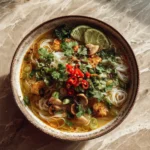
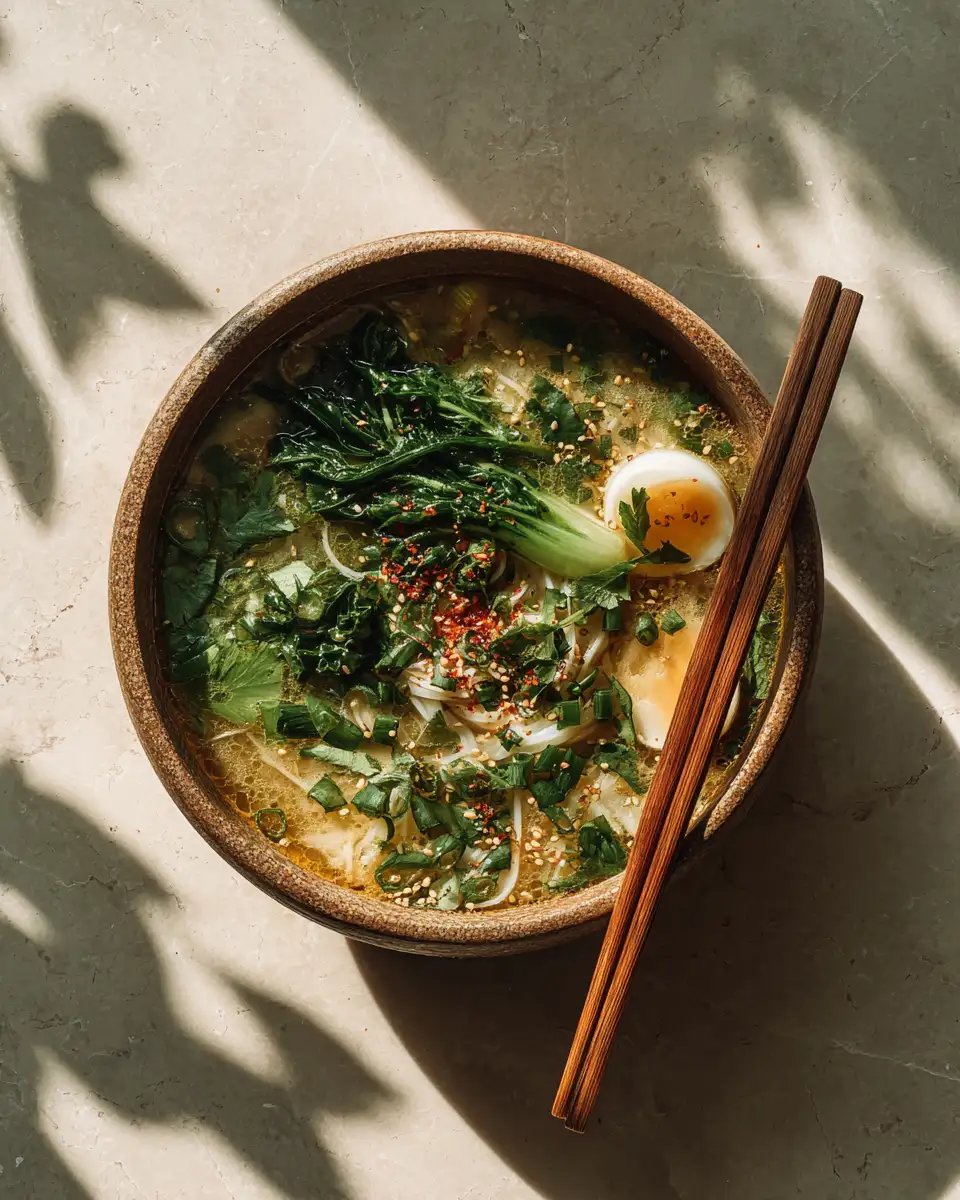
There’s something deeply comforting about a warm bowl of Healing Ginger Garlic Broth with Rice Noodles, especially on a chilly Monterey evening when the fog rolls in and the kitchen fills with the scent of fresh herbs and roasting garlic. Growing up in my grandmother Nonna Rosa’s kitchen, I learned early on that broth isn’t just a base—it’s a vessel for healing, love, and tradition. This recipe is a tribute to those cozy moments shared around the family table, where simple ingredients come together to soothe the soul and fill your heart. Whether you’re nursing a cold or just craving something light yet nourishing, this broth with delicate rice noodles offers a gentle hug in a bowl.
Table of Contents
Why You’ll Love This Healing Ginger Garlic Broth with Rice Noodles
When I first began experimenting with ginger and garlic broths, I was reminded of my mother Elena’s knack for improvisation in the kitchen. She would whip up remedies from pantry staples, layering flavors with a few fresh herbs from Nonna Rosa’s garden. This Healing Ginger Garlic Broth is exactly that kind of magic—simple, restorative, and full of warmth.
The bright zing of ginger combined with the savory depth of garlic creates a broth that’s both invigorating and soothing. The rice noodles add just enough substance without feeling heavy, making it perfect for any time you want a light meal with big flavor. I love how this recipe brings back memories of chilly mornings spent stirring pots with my daughters, Olivia and Isabella, passing on the love and heritage that shaped me.
Beyond taste, this broth is packed with natural anti-inflammatory properties. Ginger helps calm the stomach and clear sinuses, while garlic is known for its immune-boosting benefits. It’s no wonder that in my family, a steaming bowl of broth was the first line of defense against winter sniffles.
Ingredients You’ll Need for This Healing Ginger Garlic Broth with Rice Noodles
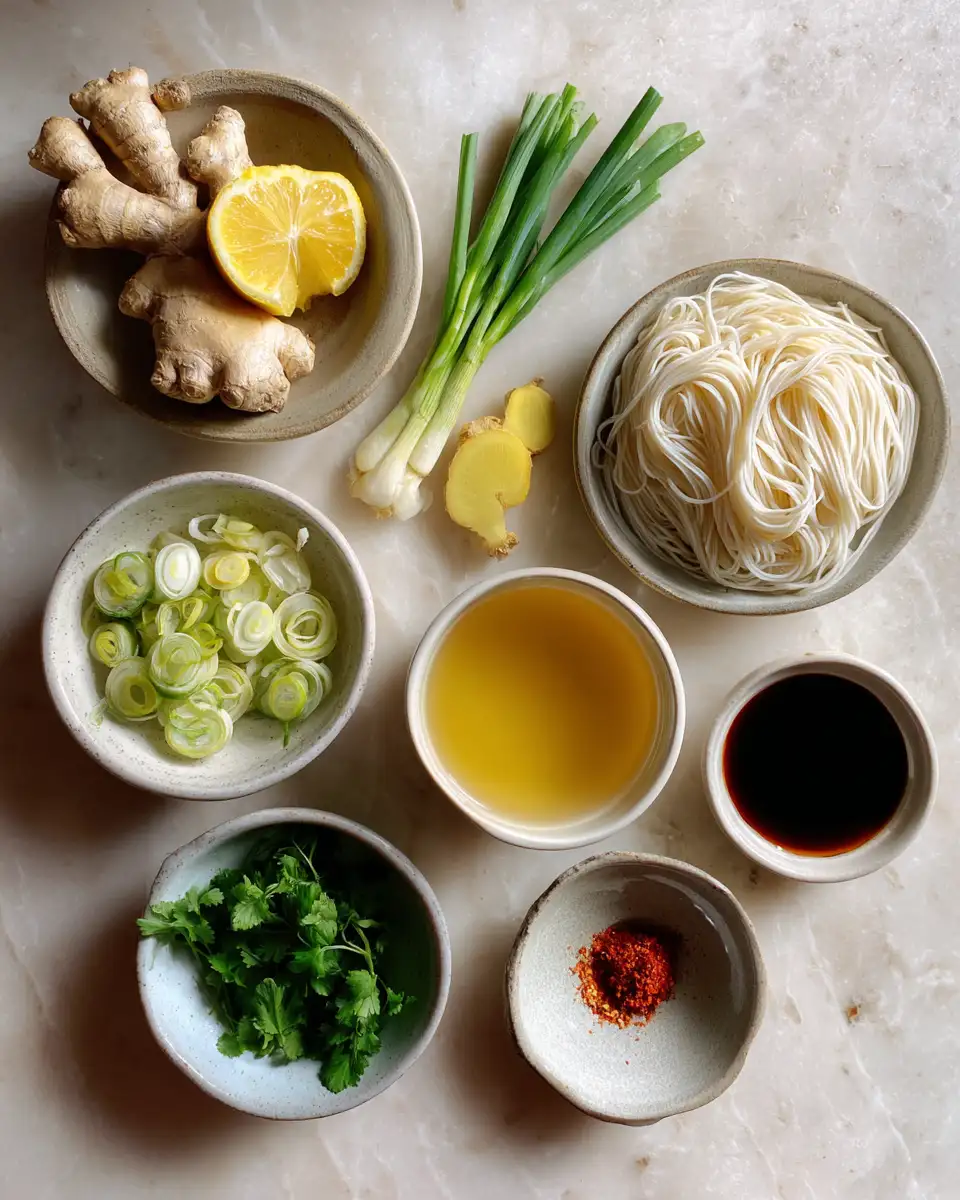
- 6 cups low-sodium chicken or vegetable broth (homemade if possible for richer flavor)
- 4 cloves garlic, thinly sliced
- 2-inch piece of fresh ginger, peeled and sliced into thin rounds
- 1 tablespoon olive oil or mild vegetable oil
- 2 teaspoons soy sauce or tamari (for gluten-free option)
- 1 tablespoon freshly squeezed lemon juice
- 4 ounces rice noodles (thin or medium thickness)
- 2 green onions, thinly sliced
- Fresh cilantro or parsley for garnish
- Salt and freshly ground black pepper, to taste
- Optional: A pinch of red pepper flakes for a subtle heat
Substitution suggestions: If you prefer a vegetarian broth, use a rich vegetable stock and add a splash of mushroom soy sauce for umami depth. You can swap rice noodles for glass noodles or even thin spaghetti if rice noodles aren’t on hand.
Nutrition Facts
- Calories: Approximately 180 per serving (1.5 cups)
- Protein: 5 grams
- Fat: 3 grams
- Carbohydrates: 30 grams
- Fiber: 1.5 grams
- Sugar: 1 gram (natural sugars from broth and lemon)
- Sodium: 450 mg (can be reduced by using low-sodium broth)
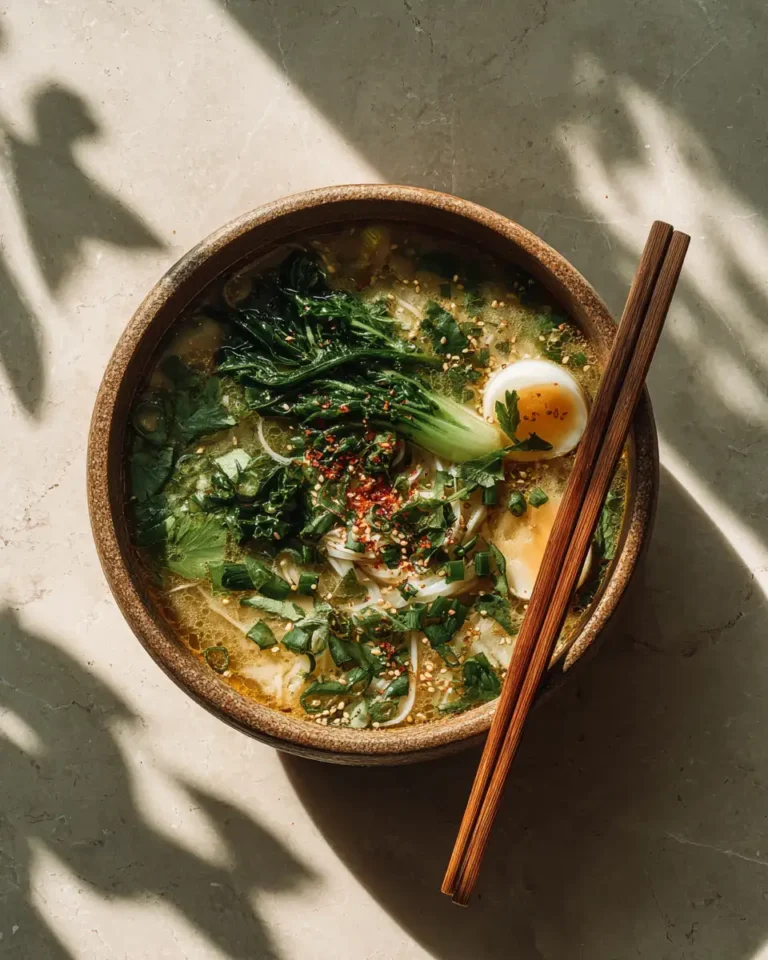
Healing Ginger Garlic Broth with Rice Noodles A Soothing Bowl of Wellness
Learn how to make delicious Healing Ginger Garlic Broth with Rice Noodles. Easy recipe with step-by-step instructions.
- Total Time: 45 minutes
- Yield: 4 servings 1x
Ingredients
- 6 cups low-sodium chicken or vegetable broth (homemade if possible for richer flavor)
- 4 cloves garlic, thinly sliced
- 2-inch piece of fresh ginger, peeled and sliced into thin rounds
- 1 tablespoon olive oil or mild vegetable oil
- 2 teaspoons soy sauce or tamari (for gluten-free option)
- 1 tablespoon freshly squeezed lemon juice
- 4 ounces rice noodles (thin or medium thickness)
- 2 green onions, thinly sliced
- Fresh cilantro or parsley for garnish
- Salt and freshly ground black pepper, to taste
- Optional: A pinch of red pepper flakes for a subtle heat
Substitution suggestions: If you prefer a vegetarian broth, use a rich vegetable stock and add a splash of mushroom soy sauce for umami depth. You can swap rice noodles for glass noodles or even thin spaghetti if rice noodles aren’t on hand.
Instructions
- Heat the olive oil in a large pot over medium heat. Add the sliced garlic and ginger, stirring gently. Cook for about 2-3 minutes until fragrant but not browned. This step releases their essential oils and builds the aromatic base of the broth.
- Pour in the chicken or vegetable broth and bring to a gentle boil. Once boiling, reduce the heat to low and let it simmer uncovered for 20 minutes. This slow simmer allows the ginger and garlic flavors to infuse deeply.
- While the broth simmers, soak the rice noodles in warm water according to package instructions, usually about 10 minutes. Drain and set aside. I find soaking them rather than boiling keeps the noodles perfectly tender without becoming mushy.
- After simmering, strain the broth through a fine-mesh sieve into another pot or bowl to remove the ginger and garlic pieces. Press gently on the solids to extract every bit of flavor.
- Return the strained broth to the pot and add the soy sauce, lemon juice, and optional red pepper flakes. Taste and adjust seasoning with salt and pepper.
- Bring the broth back to a gentle simmer. Add the soaked rice noodles and cook for 2-3 minutes until they are warmed through and tender.
- Ladle the broth and noodles into bowls. Garnish with sliced green onions and fresh cilantro or parsley for a vibrant finish.
A little tip from my kitchen: when my daughters were little, we’d sneak in a handful of spinach or thinly sliced bok choy at this stage for an extra boost of greens. It’s a wonderful way to sneak in veggies without fuss.
- Prep Time: 15 minutes
- Cook Time: 30 minutes
- Category: Main Dish
- Method: Cooking
- Cuisine: International
Steps to Create Your Healing Ginger Garlic Broth with Rice Noodles
- Heat the olive oil in a large pot over medium heat. Add the sliced garlic and ginger, stirring gently. Cook for about 2-3 minutes until fragrant but not browned. This step releases their essential oils and builds the aromatic base of the broth.
- Pour in the chicken or vegetable broth and bring to a gentle boil. Once boiling, reduce the heat to low and let it simmer uncovered for 20 minutes. This slow simmer allows the ginger and garlic flavors to infuse deeply.
- While the broth simmers, soak the rice noodles in warm water according to package instructions, usually about 10 minutes. Drain and set aside. I find soaking them rather than boiling keeps the noodles perfectly tender without becoming mushy.
- After simmering, strain the broth through a fine-mesh sieve into another pot or bowl to remove the ginger and garlic pieces. Press gently on the solids to extract every bit of flavor.
- Return the strained broth to the pot and add the soy sauce, lemon juice, and optional red pepper flakes. Taste and adjust seasoning with salt and pepper.
- Bring the broth back to a gentle simmer. Add the soaked rice noodles and cook for 2-3 minutes until they are warmed through and tender.
- Ladle the broth and noodles into bowls. Garnish with sliced green onions and fresh cilantro or parsley for a vibrant finish.
A little tip from my kitchen: when my daughters were little, we’d sneak in a handful of spinach or thinly sliced bok choy at this stage for an extra boost of greens. It’s a wonderful way to sneak in veggies without fuss. Learn more: Hearty Hamburger Soup
Tips for Making the Best Healing Ginger Garlic Broth with Rice Noodles
One of the biggest lessons from my time in Italian and Spanish kitchens is that the best dishes come from patience and respect for your ingredients. Treat your broth the same way. Here are my top tips:
- Use homemade broth if you can—it adds a richness that store-bought varieties can’t match. When I’m short on time, I keep homemade broth frozen in portions for quick access.
- Don’t rush the simmer. That gentle simmer is what draws out the ginger and garlic’s healing properties and softens their edges, creating a broth that’s soothing rather than overpowering.
- Slice garlic and ginger thinly to maximize flavor extraction. Crushing garlic cloves instead can give a sharper bite, which may not be as comforting.
- Soak rice noodles instead of boiling them directly in the broth to keep the texture just right. Overcooked noodles can turn mushy quickly.
- Feel free to play with herbs. I often add a sprig of thyme or rosemary during simmering for a subtle twist, a nod to Nonna Rosa’s garden explorations.
Serving Suggestions and Pairings
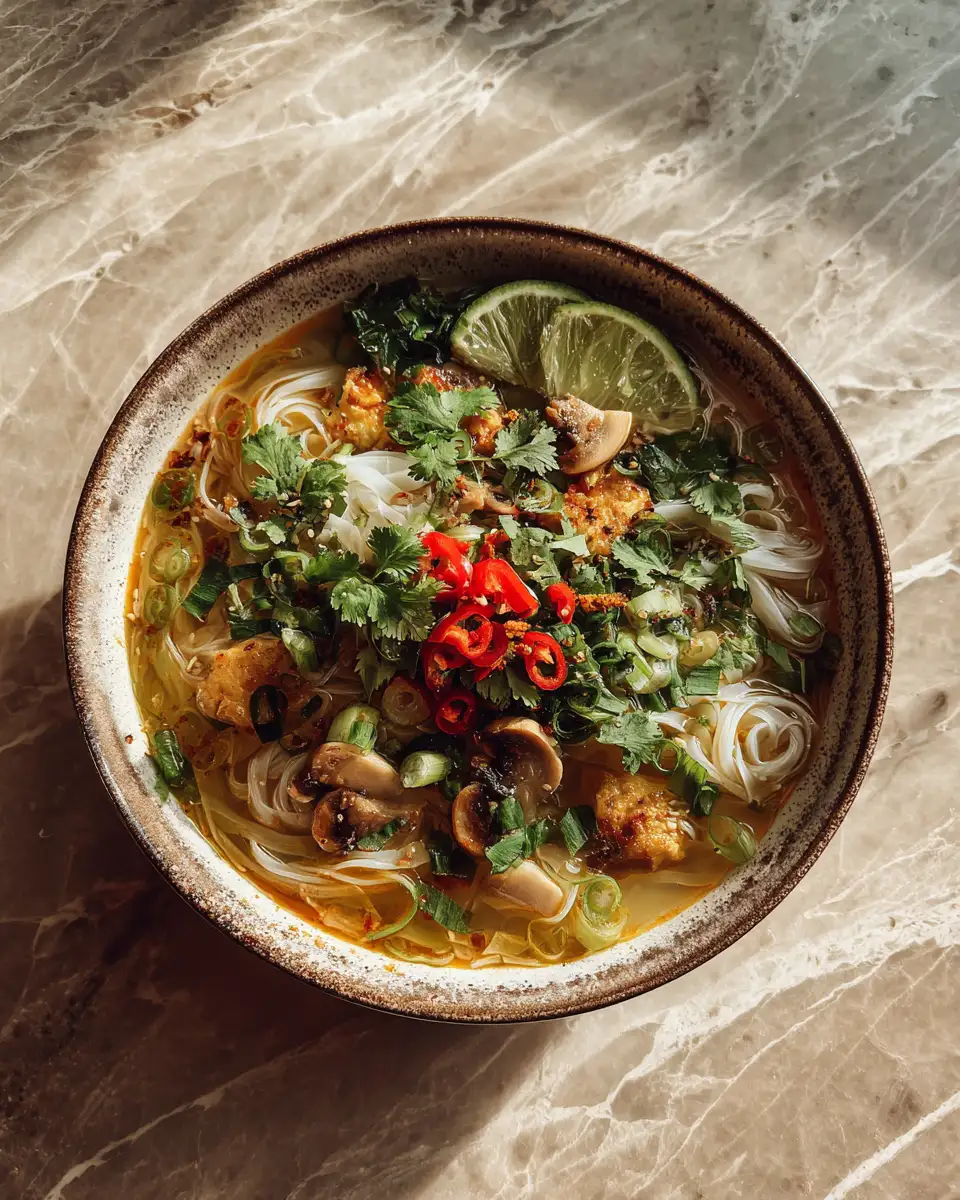
This broth with rice noodles shines as a standalone comfort meal, but I’ve found it pairs beautifully with simple sides that complement its lightness and warmth. Growing up, my family would often enjoy a fresh green salad dressed with lemon and olive oil alongside a bowl of hot broth.
- A crisp cucumber salad with a touch of rice vinegar and sesame seeds
- Steamed or roasted seasonal vegetables, like asparagus or baby carrots
- Warm crusty bread brushed lightly with garlic olive oil (Nonna Rosa’s favorite!)
- Grilled or pan-seared chicken breast or tofu for added protein
- For a heartier meal, add a soft-boiled egg or a handful of sautéed mushrooms into the broth bowl
When Olivia and Isabella were toddlers, we’d often dip breadsticks into the broth, turning mealtime into a fun, interactive family ritual—a practice I cherish and hope to pass down for generations.
Storage and Reheating Tips
One of the beauties of Healing Ginger Garlic Broth with Rice Noodles is how well it stores and reheats, making it an ideal recipe for busy weeknights or when you’re recovering from a cold.
- Store leftover broth and noodles separately in airtight containers in the fridge for up to 3 days. Keeping them separate prevents the noodles from becoming soggy.
- To reheat, warm the broth gently on the stove until simmering, then add the noodles just long enough to heat through.
- For longer storage, freeze the broth alone for up to 3 months. Thaw overnight in the fridge before reheating.
- Avoid freezing the noodles, as they tend to lose their texture. If needed, cook fresh noodles when you’re ready to serve.
Frequently Asked Questions
What are the main ingredients for Healing Ginger Garlic Broth with Rice Noodles?
The main ingredients for Healing Ginger Garlic Broth with Rice Noodles include the items listed in our ingredients section above. Each ingredient plays a crucial role in achieving the perfect flavor and texture.
How long does it take to make Healing Ginger Garlic Broth with Rice Noodles?
The total time to make Healing Ginger Garlic Broth with Rice Noodles includes both preparation and cooking time. Check the recipe card above for exact timing details.
Can I make Healing Ginger Garlic Broth with Rice Noodles ahead of time?
Yes, Healing Ginger Garlic Broth with Rice Noodles can often be prepared in advance. Store it properly in an airtight container in the refrigerator and consume within the recommended timeframe.
What can I serve with Healing Ginger Garlic Broth with Rice Noodles?
Healing Ginger Garlic Broth with Rice Noodles pairs well with various sides and accompaniments. Consider the serving suggestions mentioned in the recipe for the best dining experience.
Is Healing Ginger Garlic Broth with Rice Noodles suitable for special diets?
Depending on the ingredients used, Healing Ginger Garlic Broth with Rice Noodles may be adapted for various dietary needs. Check the ingredients list and consider substitutions as needed for your dietary requirements.
Final Thoughts
Healing Ginger Garlic Broth with Rice Noodles is more than just a recipe—it’s a warm embrace from my family’s kitchen to yours. It carries the echoes of my grandmother’s garden, my mother’s inventive spirit, and the shared moments with my own daughters in our cozy Monterey home. Each spoonful is a reminder that food nourishes not only our bodies but our hearts and memories as well.
“Cooking is an expression of love and heritage,” my Nonna Rosa would say, and with this broth, I feel that love simmer in every cup.
Whether you’re looking to soothe a weary body, comfort a loved one, or simply enjoy a simple meal with big flavor, I hope you find as much joy making and sharing this Healing Ginger Garlic Broth with Rice Noodles as I have. From my kitchen to yours, buon appetito and may your heart always feel at home.